
An explorative reminiscence of the music that has continuously shaped culture, fueling the leading edge of creation over the past century. Jazz is an undefinable term—a living record, an ongoing inquiry into the essence of movement, and a true American art form.
Through composition, poetry, live performance, and storytelling, we will immerse ourselves in this history, discovering the ways that Jazz has touched Los Angeles and how, in turn, our great city has made its contribution to its ever evolving language. Together, we will reflect on Jazz as a mirror of the human experience: resilient and true, holding the burning questions that create our vision for the future.
Featured Guests:
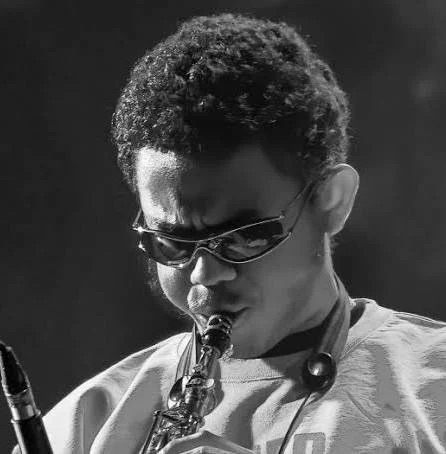
Emilio Modeste
Emilio Modeste is a saxophonist and composer from New York City. Best known for his time performing with the late trumpet great Wallace Roney, he currently tours with the bands of Stanley Clarke, Kassa Overall, Cindy Blackman Santana, and Julius Rodriguez, and has toured extensively with his band, INSTANT ALTER. His artistry can be heard on the albums of Kassa Overall (Cream), Cindy Blackman Santana (Coherence), and Stanley Clarke (Last Train to Sanity). A protégé of the great drummer and producer Lenny White, Modeste explores endless styles of musical expression in his artistry. Modeste’s upcoming debut album will be released by JMI Recordings.
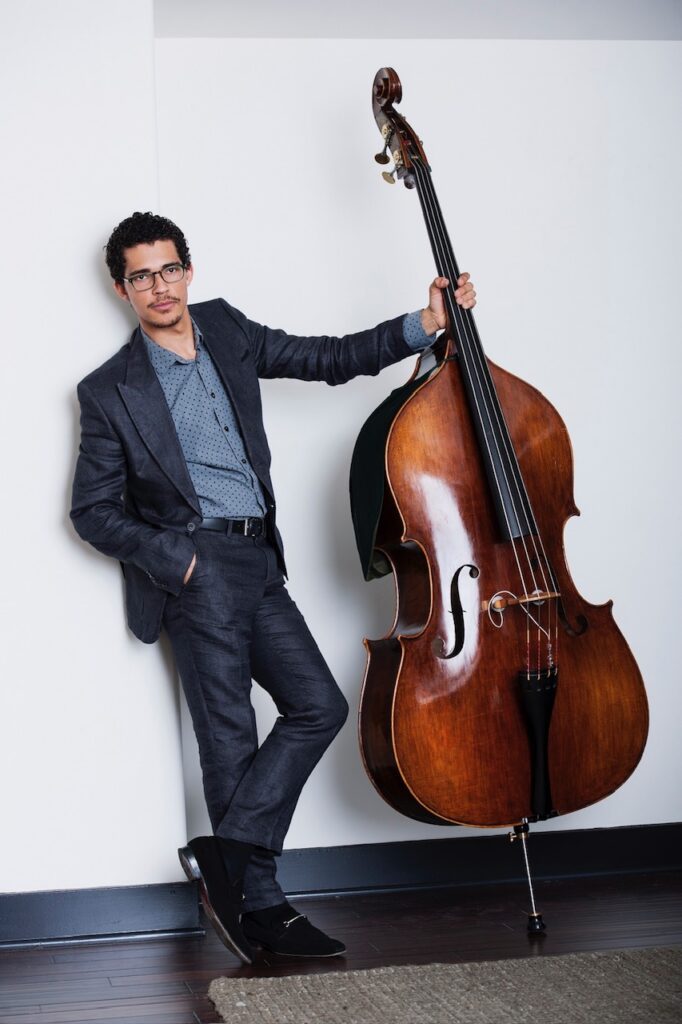
MARLONIUS
MARLONIUS (they/he) is a virtuoso upright bassist and composer from Los Angeles. Their curiosity began as a classical music student at the Colburn Conservatory of Music. Soon after, classical-rock tours with Stewart Copeland’s “Off The Score” and Bowie-meets-jazz with Mike Garson. Later, Marlonius studied jazz in New York City with the legendary bassist Ron Carter. An active Hollywood studio musician, Marlonius has played in orchestras with Michael Giacchino, opened for Clarke and Hiromi with their 17-piece big band Marlonius Jazz Orchestra, and created a Strayhorn video series in collaboration with Colburn School and Billy Strayhorn Songs, Inc. Current album releases include “The Strayhorn Sessions, Vol.1” and “Julius Eastman, Vol. 5: Gay Guerrilla.”

Brandon Coleman
A native of South Central Los Angeles, Brandon Coleman is a pianist, composer, producer, and musical director whose nearly three-decade career spans an extraordinary range of musical disciplines. His collaborations include Stevie Wonder, Alicia Keys, Babyface, and more. A longtime member of the West Coast Get Down collective, Coleman has released three solo albums: Self Taught, Resistance, and Interstellar Black Space. In 2025, he served as Music Director for the Minnie Riperton tribute at the Hollywood Bowl.

Samuel Lamontagne
Samuel Lamontagne is a writer and assistant professor in the departments of Music and Black Study at UC Riverside. His research traces the histories of hip-hop and Black music, exploring how they generate critical knowledges and connect to broader Pan-African imaginaries. Alongside H. Samy Alim and Tabia Shawel, he co-established the UCLA Hip Hop Initiative. He is also the co-director of the documentary In the Hour of Chaos: Hip Hop Art & Activism with Public Enemy’s Chuck D (2024), companion film to the book of the same title published by UC Press in 2026. Lamontagne’s work has been featured in the Los Angeles Times, NPR’s The World, and international outlets such as RFI and EFE. Beyond his scholarship, he collaborates with community-based organizations including dublab radio, KAOS Network, and the Pan Afrikan Peoples Arkestra.
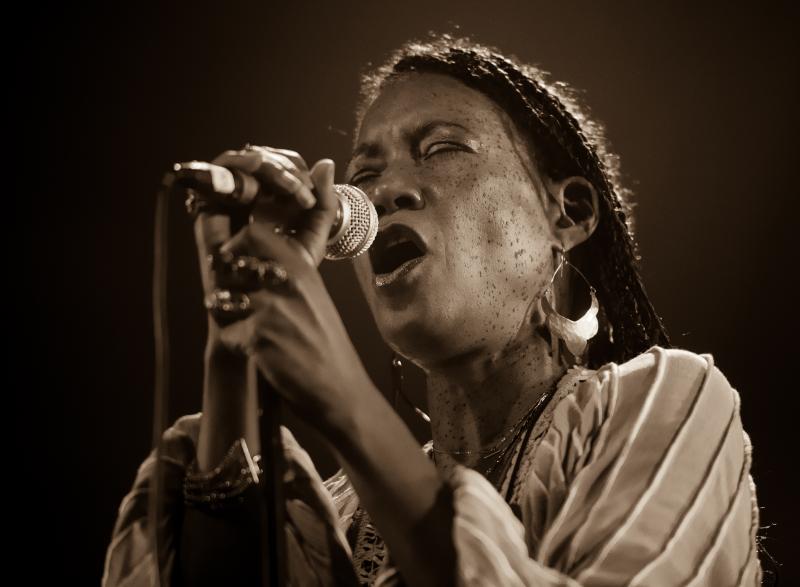
Patrice Quinn
Patrice Quinn, from New York, now an LA based artist and teacher. Singer and lyricist with Grammy Award winner Kamasi Washington’s band, she continues to tour with Washington since the release of their acclaimed 3-disc opus The Epic, in 2015. A multi-disciplined visual, crochet, theatre and music artist, her passion is teaching the stage principles. She is finishing a book on the subject.
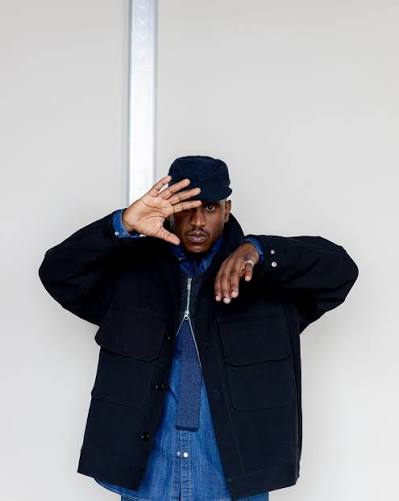
Shakoor Hakeem
Shakoor Hakeem is a percussionist and improviser whose work expands the role of rhythm in contemporary jazz and creative music. Rooted in Afro-diasporic traditions yet shaped by experimental practice, Hakeem approaches percussion as a tool for texture, space, and collective ritual rather than strict timekeeping. His playing emphasizes tone, restraint, and deep listening, often transforming the ensemble into a living, breathing sound environment.